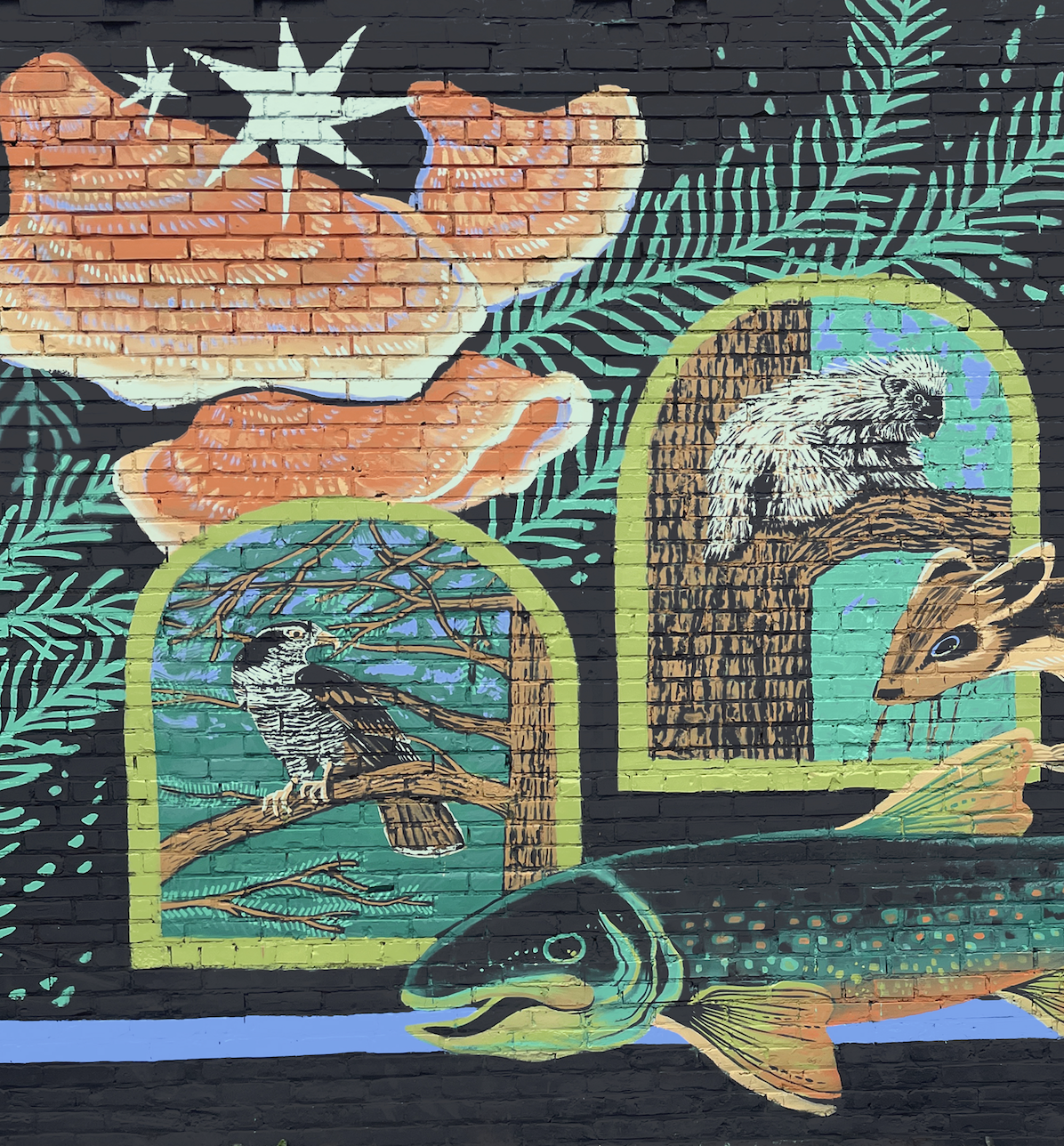
Ironwood Mural Festival!

Ironwood Mural Festival!
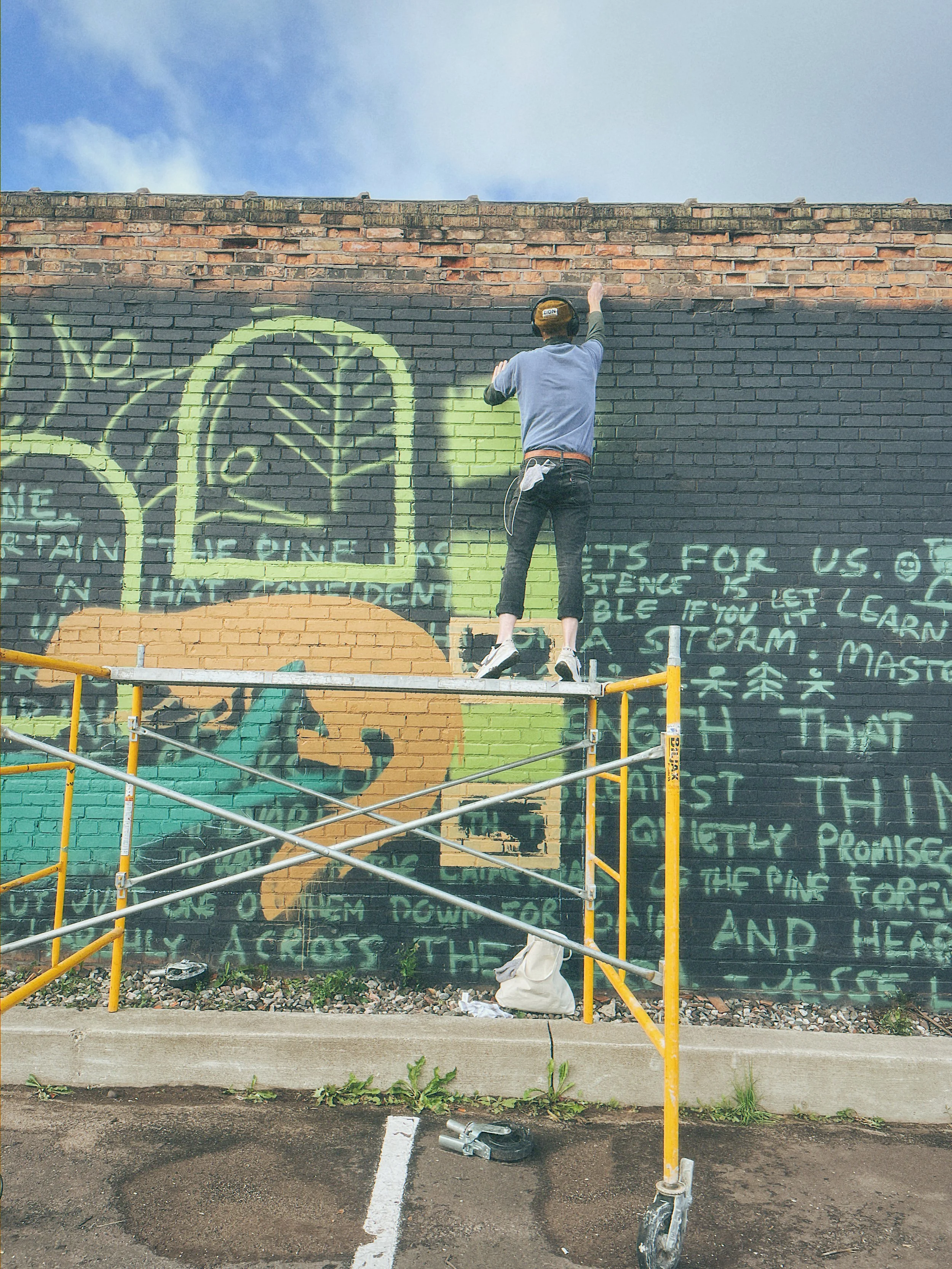
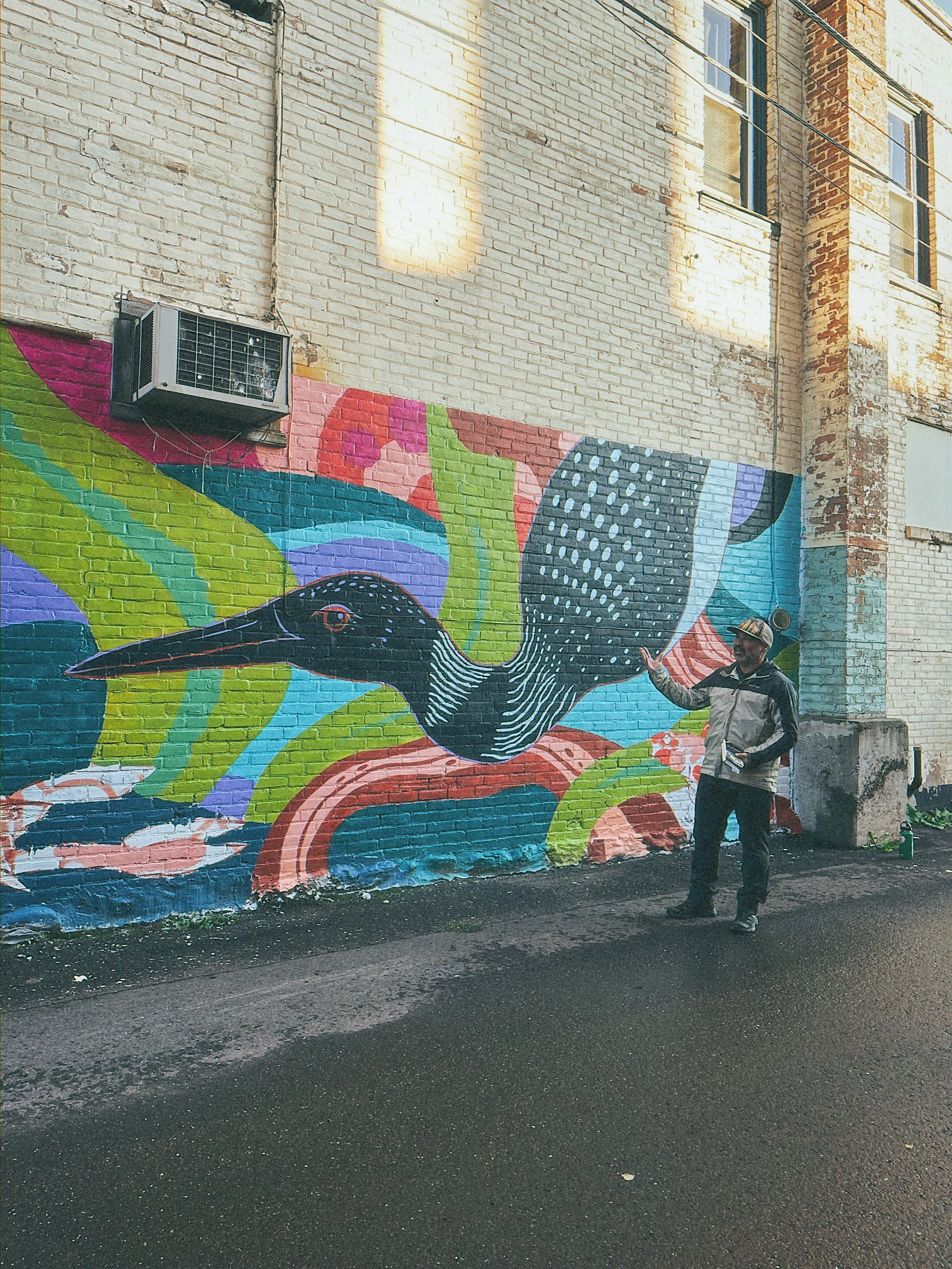
In collaboration with Protect the Porkies, Downtown Ironwood, Denver Air, and the Northwinds Co-op, we hosted the Upper Peninsula’s FIRST EVER MURAL FESTIVAL!
In a town where a proposed copper mine threatens the Porcupine Mountains (one of Michigan’s largest remaining tracts of old growth forest!), our ecology murals serve a vital purpose in moving people toward a conservationist mindset.
-
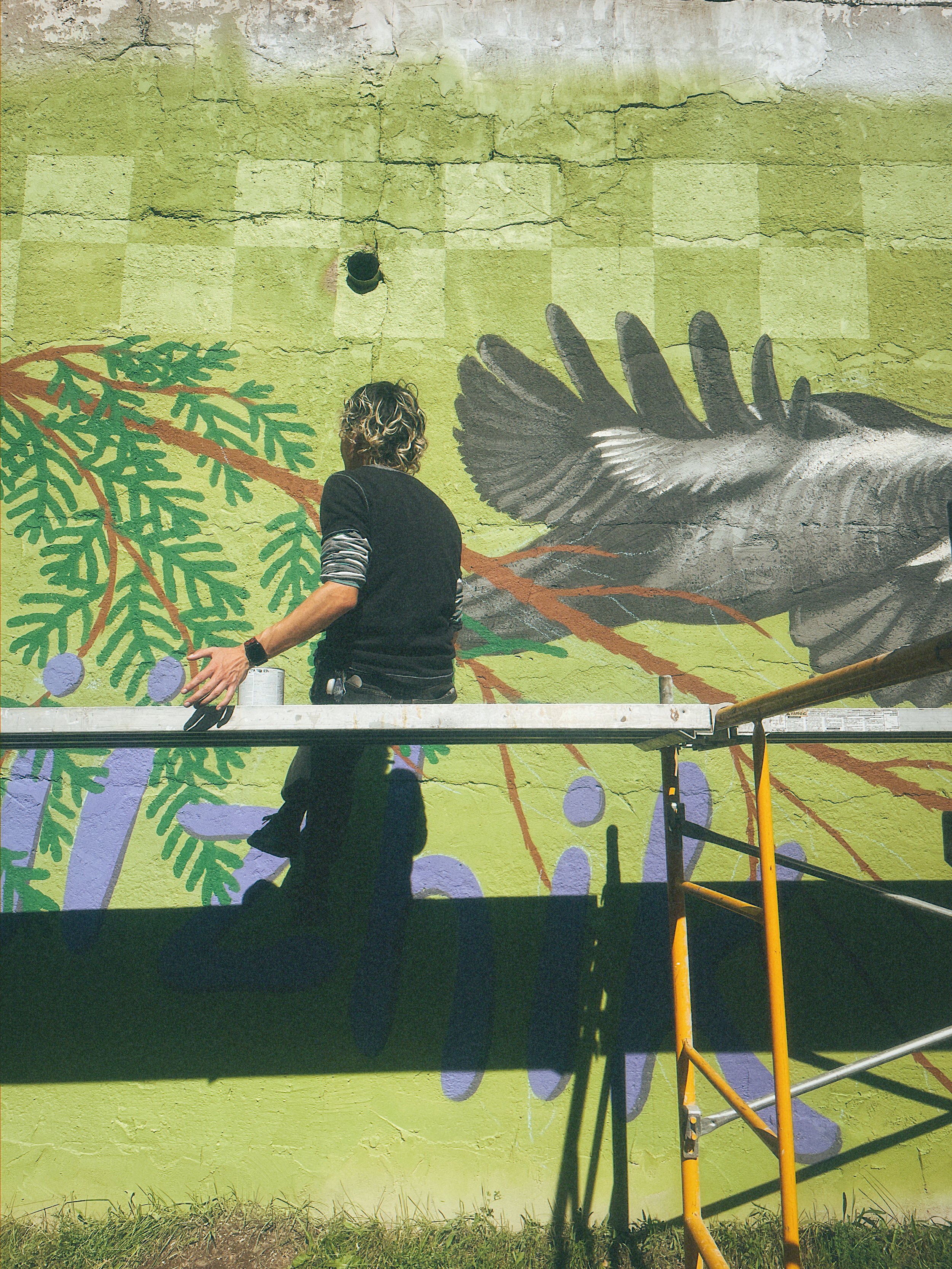
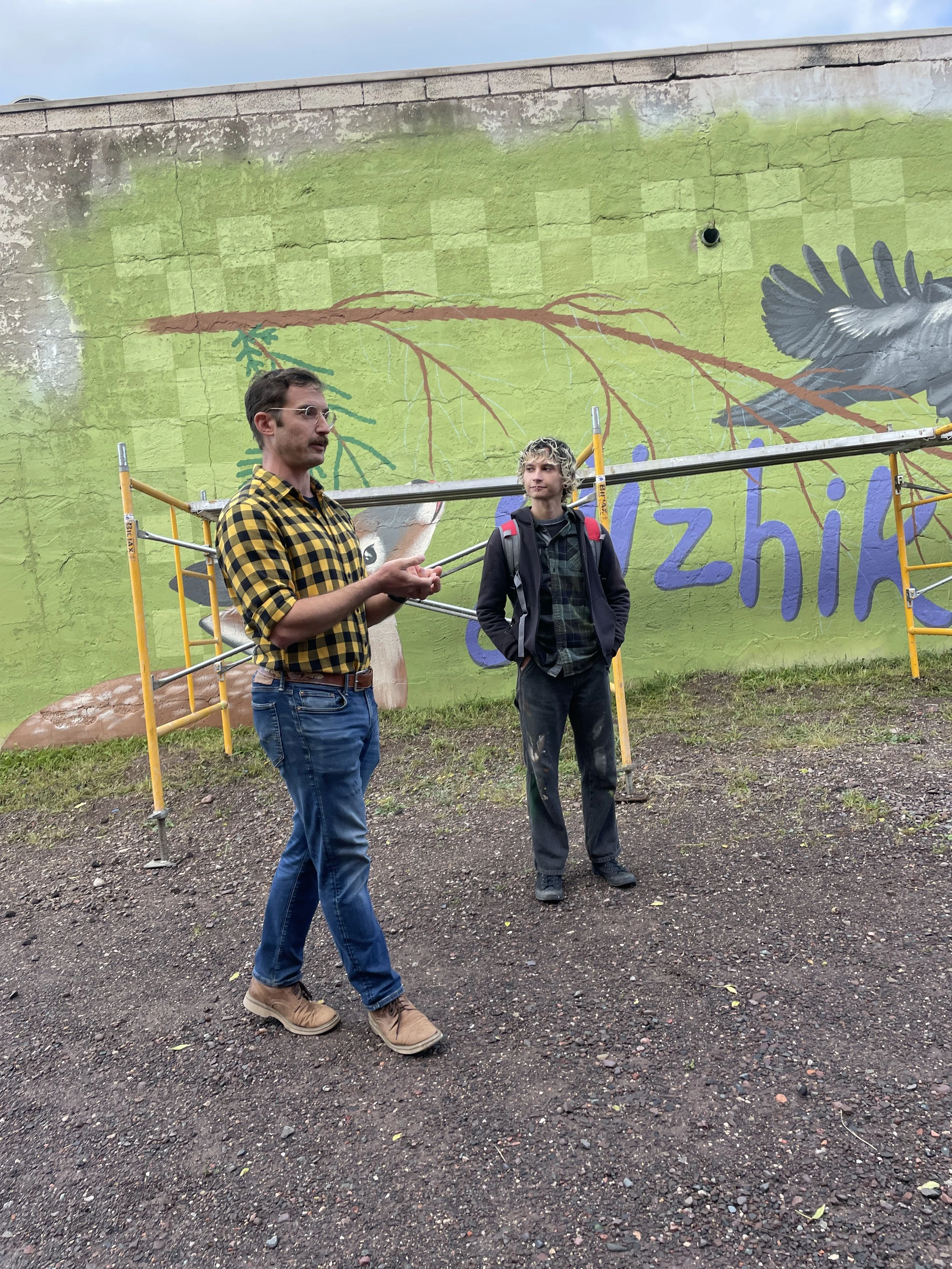
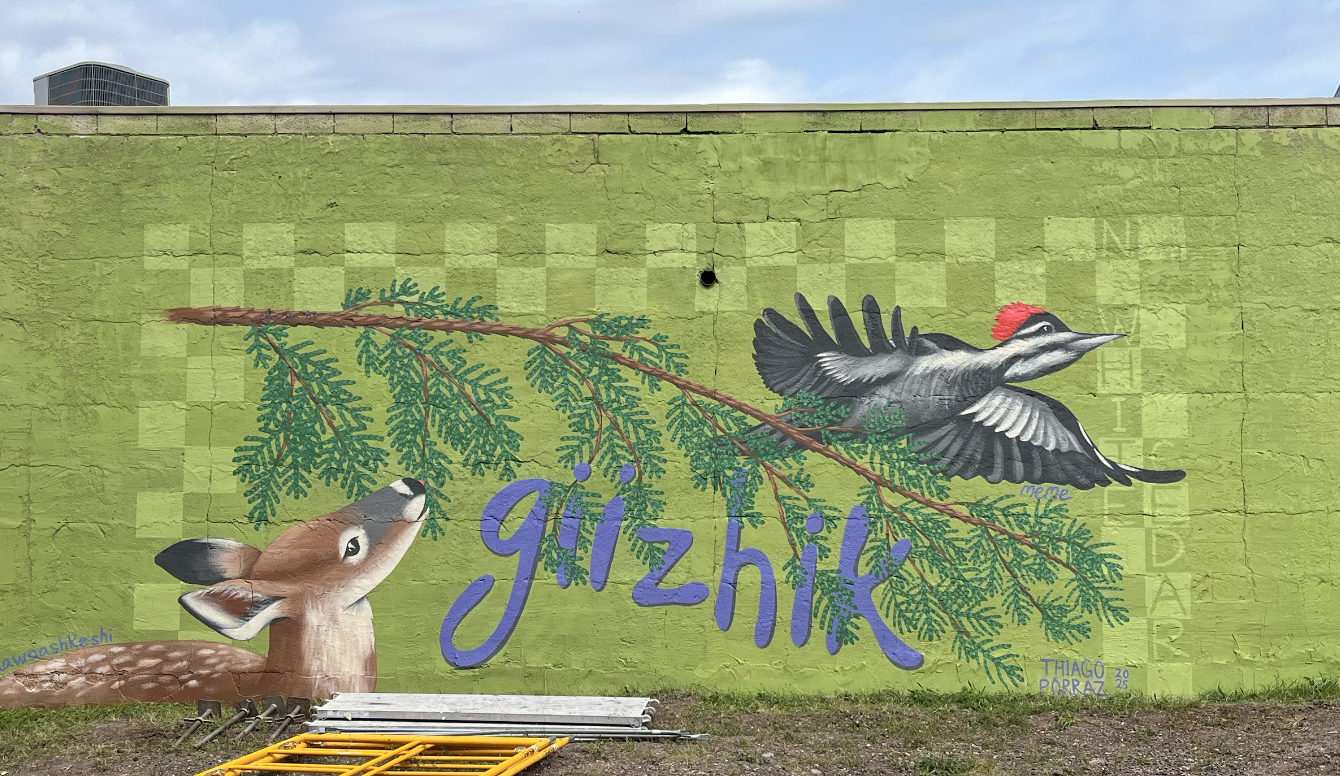
GIIZHIK: WHITE CEDAR
Cedar is an important medicine to Ojibwe people and touches nearly every aspect of traditional life - not only through its direct use in spirituality, medicine, construction and crafts, but also in the food and habitat it provides to support many forms of wildlife. Yet cedar forests have been in steady decline over the last century, struggling to regenerate after intensive logging, changes in hydrology, and high levels of browse.
-
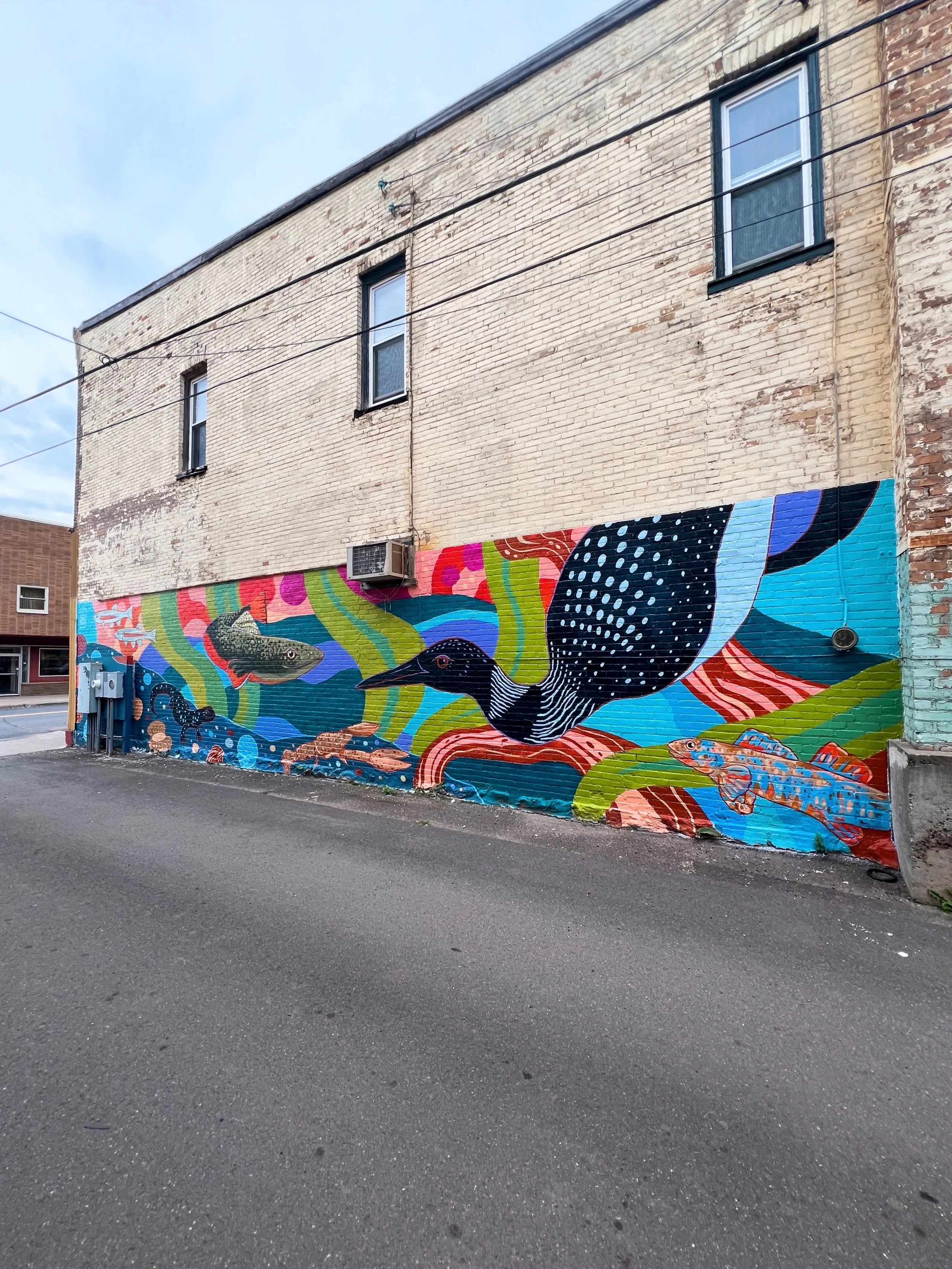
This mural highlights coaster brook trout—a species endemic exclusively to Lake Superior! Coaster brook trout has an adfluvial lifecycle in which they migrate from their home rivers and tributaries into the big lake to live out their adult lives. Logging, overfishing, and habitat degradation have drastically diminished the coasters’ numbers. Today, this rare trout is critically endangered, surviving in only a few tributaries in Minnesota, Wisconsin, Ontario, and Michigan.
-
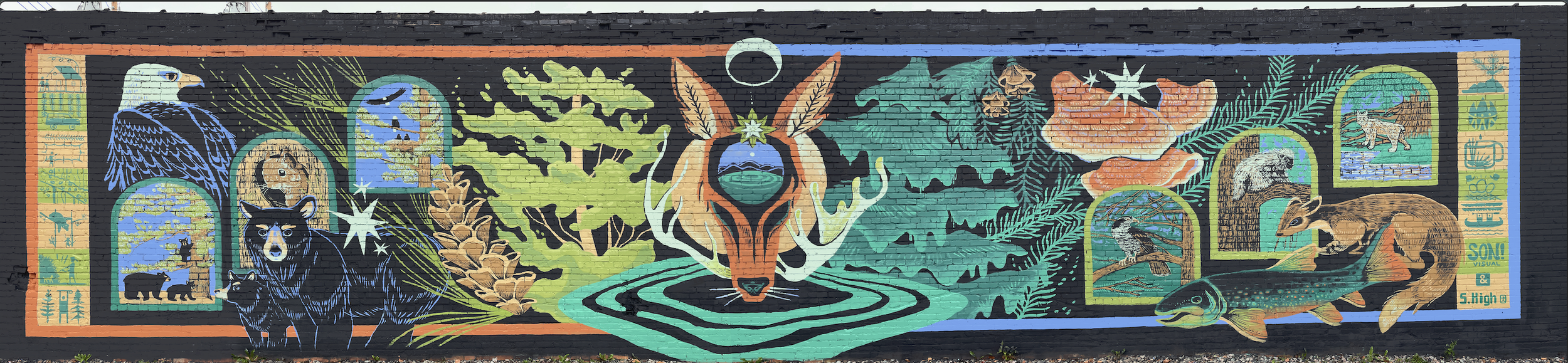
The white pine and eastern hemlock are iconic tree species that shape the forests and history of the Upper Peninsula. Towering white pines—Michigan’s state tree—once fueled the state’s booming timber industry in the late 1800s, prized for their tall, straight trunks ideal for transporting by river. These supercanopy trees still rise above the forest, offering nesting sites for bald eagles, shelter for black bears, and a food source for a wide variety of birds and small mammals. People have long used their needles and inner bark for teas, poultices, and even food in times of scarcity.
Eastern hemlocks, with their nodding tops, drooping branches and dense, shade-casting canopies, create cool, quiet groves that shelter wildlife and people alike. Their bark, rich in tannins, once supported the leather tanning industry and still gives local rivers their dark, tea-colored clarity. Hemlocks are incredibly long-lived, some reaching 800 years. They are the host tree of the hemlock reshi mushroom, a species of shelf fungus with a long history of medicinal use.
Both species are ecologically vital. White pine thrives in both early and late successional forests and regenerates after fire. Hemlock dominates in mesic forests alongside sugar maple, providing the cooling shade necessary for healthy streams, winter refuge for deer, and food and cover for a wide variety of wildlife. Together, these trees tell a story of resilience, utility, and beauty. Their presence signals the transition into the true northwoods.
-
Why Ironwood?
Located on the border between Michigan and Wisconsin, Ironwood is a gateway into the wilderness of the Upper Peninsula. A small city of roughly 5,000, Ironwood is nestled on the edge of the Ottawa National Forest and is one of the primary launching points for exploration of the region.
When the city of Ironwood reached out to Pleasant Peninsula to create 3 murals that celebrate the rich biodiversity that make this region unique in Michigan, we jumped at the opportunity to help further connect the people of this land to the ecology of their home through art.
The western Upper Peninsula is home to some of the largest tracts of un-developed wilderness that remain in Michigan, and this habitat connectivity means that this region is one of the only locations in Michigan that can still support large carnivorous mammals such as Lynx, Cougars and Gray Wolves. Habitat fragmentation is the largest threat to these species in Michigan; without this connectivity, these species would no longer be able to thrive in our great state.
-
Protect the Porkies!
Throughout this project, we were able to work with Protect the Porkies to support their grassroots movement focused on fighting the creation of a new Copper mine that borders Porcupine Mountains Wilderness State Park. These murals will forever serve as a visual reminder to the residents of Ironwood that their home is unique on a global scale, the species that they see on a frequent basis are worthy of preservation, and that the wilderness that makes this region of Michigan unique is deserving of protection for generations to come.